Choosing flooring is one of those decisions that affects a home every single day. A floor has to handle footsteps, furniture movement, spills, cleaning products, sunlight, and sometimes pets or children. It also needs to look right with the walls, cabinets, lighting, and furniture. A beautiful floor that scratches easily or struggles with moisture can become an expensive mistake.
The best durable flooring options are not necessarily the hardest or most expensive materials. The right choice depends on where the floor will be installed, how the room is used, how much maintenance the household can manage, and whether the subfloor is suitable. A porcelain tile may perform exceptionally well in a busy entrance, while engineered wood may be a better choice for a living room where warmth and natural character matter.
Understanding material performance and installation requirements makes the decision easier. This guide compares popular flooring materials, explains their strengths and limitations, and shows how to select a surface that balances durability, appearance, and practical needs.
Understanding Flooring Durability Before Choosing a Material
Durability means more than resisting scratches. A floor can have a hard surface but still crack when installed over an uneven subfloor. Another material may resist moisture but show dents from heavy furniture. Evaluating the full flooring system is more useful than judging a sample by appearance alone.
What Makes a Floor Durable?
Several factors determine how well flooring performs over time. Surface hardness affects resistance to scratches and indentation. Water resistance matters in kitchens, bathrooms, laundry rooms, and entrances. Dimensional stability determines whether boards expand, contract, or shift when temperature and humidity change.
Wear layers, protective finishes, grout quality, and installation adhesives also influence service life. For example, two vinyl products may look almost identical, but their construction and wear-layer thickness can make their performance very different.
When comparing durable flooring options, consider the actual conditions in the room. A household with large dogs may need stronger scratch resistance, while a family with young children may prioritize easy cleaning and resistance to spills.
Match the Flooring to Room Conditions
Room function should guide material selection. Bathrooms need surfaces that tolerate frequent moisture. Kitchens benefit from flooring that handles dropped utensils, food spills, and repeated cleaning. Bedrooms usually experience less concentrated wear, so comfort and appearance may carry more weight.
Sun exposure also deserves attention. Large windows can cause fading or temperature changes, particularly with some wood and vinyl products. In basements, moisture vapor from the concrete slab can affect materials that are not designed for below-grade installation.
A practical assessment of traffic, moisture, sunlight, and subfloor condition will narrow the choices before you compare colors and patterns.
Popular Durable Flooring Options and Their Performance
Each flooring material has a different balance of strength, comfort, maintenance, and cost. There is no universal winner. The goal is to choose a product whose weaknesses will not become problems in the room where it is installed.
Porcelain and Ceramic Tile
Porcelain and ceramic tiles are popular in kitchens, bathrooms, hallways, and other areas exposed to moisture. Porcelain is generally denser and less porous than ordinary ceramic tile, making it a strong option for demanding spaces.
Quality porcelain tile resists water absorption, stains, and everyday surface wear. It is also available in designs that imitate marble, concrete, limestone, and wood. This gives homeowners considerable freedom without choosing a natural material that may require more maintenance.
The main limitation is hardness. Dropped glass or dishes are more likely to break on tile, and standing for long periods can feel uncomfortable. Grout lines also need appropriate sealing and cleaning, depending on the grout type.
For many homes, porcelain is among the most dependable durable flooring options for wet and high-traffic areas. Check the manufacturer’s technical specifications and select a slip-resistant finish where water is regularly present.
Luxury Vinyl Plank and Tile
Luxury vinyl plank (LVP) and luxury vinyl tile (LVT) combine printed decorative layers with protective surface construction. They can reproduce the appearance of timber, stone, or ceramic while offering a softer feel underfoot.
Many products are waterproof at the surface, although this does not mean the entire floor assembly or subfloor is protected from moisture. Water can still travel through joints, edges, or poorly sealed transitions.
The wear layer is an important specification. It helps protect the decorative surface from abrasion and everyday scuffing. Rather than relying only on a product’s marketing description, compare the manufacturer’s wear-layer measurement, warranty conditions, and installation requirements.
Vinyl is often a practical choice for busy households because it is relatively easy to clean and can be more comfortable than tile. However, sharp objects, heavy point loads, and excessive heat can damage some products. Good subfloor preparation is essential because uneven areas may show through or cause joints to separate.
Engineered Hardwood and Solid Wood
Wood flooring adds natural warmth and character. Solid hardwood is milled from a single piece of timber, while engineered hardwood uses a real wood surface layer attached to a stable multi-layer core.
Engineered products are often more dimensionally stable than solid wood when indoor humidity changes. This can make them suitable for locations where solid boards may be more vulnerable to movement, subject to the manufacturer’s installation guidance.
Wood can last for decades when maintained correctly. Its advantage is that some products can be refinished when the surface becomes worn. The number of possible refinishing cycles depends on the thickness of the wear layer, especially with engineered flooring.
Wood is not the best choice for areas with frequent standing water. Spills should be cleaned promptly, and indoor humidity should be managed within the product’s recommended range. When evaluating durable flooring options for living rooms and bedrooms, consider both the timber species and the finish. A harder species may resist indentation better, but no wood floor is completely scratch-proof.
Laminate Flooring
Laminate flooring uses a decorative image layer protected by a wear-resistant surface, supported by a high-density fiberboard core. It can provide the appearance of wood or stone at a comparatively accessible price.
Its surface can perform well against everyday abrasion, but the core is the main concern around moisture. Some newer products offer water-resistant or waterproof claims, yet performance varies by construction, joint design, and installation details.
Laminate is a reasonable option for dry living spaces, bedrooms, and some hallways. It should not be treated as automatically suitable for bathrooms or areas with repeated water exposure. Follow the product’s instructions for wet cleaning and perimeter expansion gaps.
Natural Stone Flooring
Natural stone includes granite, slate, marble, and travertine. Each stone has its own appearance, porosity, hardness, and maintenance needs. Granite is generally hard and suitable for busy areas, while marble can scratch or etch when exposed to acidic substances.
Stone creates a distinctive finish because natural veining and color variation make every installation slightly different. It can also add substantial weight, so the supporting structure and subfloor must be appropriate.
Some stones need periodic sealing to reduce staining. Cleaning products must be compatible with the specific material. Stone can be a long-lasting choice, but installation and maintenance costs are often higher than those of manufactured flooring.
Flooring Installation Methods That Affect Long-Term Performance
Even high-quality flooring can fail early when the installation is rushed. Subfloor preparation, moisture control, expansion gaps, and the correct fixing method are just as important as the material itself.
Floating, Glue-Down, and Nail-Down Installation
Floating floors are not permanently attached to the subfloor. Planks or tiles connect through a locking system and sit over an approved underlay. Many laminate and click-lock vinyl products use this method. It can reduce installation time, but the subfloor must still meet the product’s flatness requirements.
Glue-down installation uses a flooring adhesive to secure the material. It is common with sheet vinyl, some luxury vinyl products, and engineered wood. Adhesive selection matters because moisture, temperature, and incompatible products can weaken the bond.
Nail-down installation is commonly used for solid hardwood and some engineered wood products over suitable wood subfloors. The National Wood Flooring Association’s installation guidance emphasizes checking subfloor stability, flatness, and moisture before work begins. It also advises against installing wood flooring over a known moisture problem.
Why Subfloor Preparation Matters
An installer should remove debris, check for loose sections, and assess whether the surface is level and structurally sound. Concrete slabs may require moisture testing, while timber subfloors need checks for movement, squeaks, and damaged boards.
Tile requires a particularly stable base. If the substrate flexes or the adhesive coverage is incomplete, tiles can crack even when the material itself is strong. Vinyl and laminate can also develop joint problems when installed over uneven surfaces.
These checks are essential when planning durable flooring options because they help prevent problems that are expensive to correct after furniture has been moved back into the room.
Choosing Flooring for Real Household Needs
A good flooring decision starts with how people actually use a room, not simply with a showroom display. These examples show how the same home can need different materials in different spaces.
Case Scenario: A Busy Family Kitchen
Consider a family with two children and a dog. The kitchen receives constant foot traffic, occasional food spills, dropped utensils, and frequent chair movement. A pale, glossy hardwood floor may look attractive initially, but scratches and water marks could become a regular maintenance concern.
Porcelain tile or a quality luxury vinyl product would be more practical durable flooring options. Porcelain offers excellent resistance to surface wear and moisture, while vinyl provides a softer feel and can be easier to replace in sections if a plank is damaged. Consumer Reports’ 2026 testing found that porcelain, laminate, and vinyl products performed particularly well in several scratch, dent, and wear tests, although results varied by individual product.
Case Scenario: A Warm, Comfortable Living Room
Now consider a couple renovating a living room with moderate foot traffic and a preference for natural materials. Engineered hardwood may be a better fit than tile because it provides a genuine wood surface and a warmer feel underfoot.
The couple should compare the thickness of the real-wood veneer, finish quality, and installation requirements. A thicker veneer may allow refinishing, while a very thin surface layer may only support light maintenance. In this room, the best durable flooring options are those that balance appearance with realistic expectations about scratches and care.
How to Compare Flooring Before Buying
Before ordering materials, request product specifications rather than relying on general claims such as scratch-proof or waterproof. Check the warranty, wear classification, moisture limitations, cleaning instructions, and approved installation methods.
For vinyl, compare construction and wear-layer details, but do not assume that a thicker wear layer guarantees better performance. Independent testing has found differences between products with similar wear-layer measurements.
For laminate, check its abrasion classification and the manufacturer’s water-resistance conditions. For tile, review the intended-use rating and slip resistance, especially in areas that may become wet. For wood, confirm the finish, veneer thickness, and acceptable indoor humidity range.
Also calculate the full project cost. Include underlay, adhesive, grout, trims, subfloor repairs, removal of existing flooring, labor, and waste. A low-priced material may become an expensive project if it requires extensive preparation or specialist installation.
When comparing durable flooring options, ask the installer how the floor will be protected at doorways, around kitchen cabinets, and where it meets another material. These transition details often determine whether a finished project looks professional and performs well.
Conclusion
The right flooring should suit the room, household habits, and maintenance expectations. Porcelain tile is a strong choice for wet, busy areas. Vinyl and laminate offer practical alternatives for active households, while engineered hardwood and natural stone provide distinctive finishes for spaces where appearance matters.
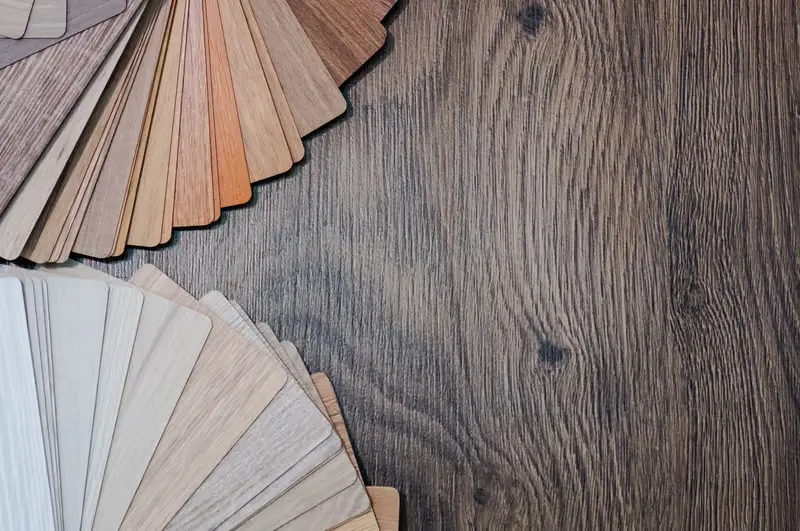
The most suitable durable flooring options are those installed correctly and matched to real household conditions. Compare technical specifications, inspect samples under your home’s lighting, and include installation costs in your budget. A little preparation before buying can prevent years of avoidable repairs.
Frequently Asked Questions
1. What is the most durable flooring for a busy household?
Porcelain tile, quality luxury vinyl, and well-rated laminate are strong choices for busy households. Porcelain offers excellent scratch and moisture resistance, while vinyl feels softer underfoot. The best choice depends on pets, children, traffic levels, and whether the room is regularly exposed to water.
2. Which flooring is best for kitchens and bathrooms?
Porcelain tile and suitable vinyl flooring are practical choices for kitchens and bathrooms because they handle moisture better than ordinary wood or laminate. Check slip resistance for wet areas, follow the manufacturer’s installation instructions, and clean spills promptly to protect joints and surrounding surfaces.
3. Is luxury vinyl plank more durable than laminate?
Neither material is automatically better. Luxury vinyl generally handles moisture more effectively, while quality laminate can perform very well against everyday scratches and abrasion. Compare individual product specifications, warranties, surface testing, and installation requirements before deciding which one suits your household.
4. How long should durable flooring last?
Service life depends on material quality, installation, traffic, cleaning, and maintenance. Well-installed tile and stone can last for decades, while vinyl, laminate, and wood have different replacement or refinishing cycles. Manufacturer warranties provide useful guidance, but they do not guarantee a specific lifespan.
5. Should I install flooring myself or hire a professional?
DIY installation can work for some click-lock vinyl and laminate products when the subfloor is properly prepared. Tile, natural stone, and many hardwood installations require greater technical skill. Hire an experienced installer when moisture testing, complex layouts, structural preparation, or specialist adhesives are involved.